

We all want our small business to be found online, right? It feels like a puzzle sometimes, trying to get people to see our website when there are so many others out there. That’s where search engine optimization, or SEO, comes in. Think of it as making your website a magnet for customers looking for exactly what you offer. We’ve put together some straightforward ways to get your business noticed online, all without needing a huge budget. Let’s figure out how to get more eyes on what you do.
Key Takeaways
- Focus on what people actually type into search engines to find businesses like yours. Use tools to find these words, especially longer phrases that are more specific.
- Make your website content helpful and interesting for people, not just search engines. Add pictures and videos to make it more engaging.
- Make sure your Google Business Profile is up-to-date and encourage happy customers to leave reviews. This helps people nearby find you.
- Check that your website loads fast and works well on phones. Also, make sure your page titles and descriptions are clear and inviting.
- Keep an eye on how your website is doing with tools like Google Analytics. SEO is always changing, so be ready to try new things.
Understanding The Fundamentals Of Search Engine Optimization
So, we’re diving into SEO, right? It sounds like a big, scary thing, but really, it’s just about making our websites easier for people to find when they search online. Think of it like this: when someone types something into Google, we want our business to pop up. That’s the main goal. It’s not some magic trick; it’s a process that helps search engines like Google understand what we’re about and show our site to the right folks.
The Core Purpose Of Search Engine Optimization
At its heart, SEO is about making our online presence more visible. When people search for products or services we offer, we want to be among the first results they see. This isn’t just about getting clicks; it’s about attracting potential customers who are actively looking for what we do. It’s a way to get our business in front of people without paying for every single click, like you might with ads. It’s about building a steady stream of visitors who are genuinely interested in our business. It’s a long-term game, for sure, but the payoff can be huge for small businesses trying to grow.
Essential SEO Strategies For Small Businesses
For us small business owners, SEO can feel a bit overwhelming, but we can break it down. The first big piece is figuring out what words people actually type into search engines when they’re looking for things like ours. This is called keyword research. Once we know those terms, we need to use them naturally on our website. It’s like making sure our website speaks the same language as our potential customers. Then there’s making sure our website works well technically – it needs to load fast and look good on phones. We also need to think about what other websites link to us; these links act like recommendations. Finally, creating good content is super important. It’s what keeps people coming back and tells search engines our site is useful.
Here’s a quick rundown of what we need to focus on:
- Keyword Research: Finding the search terms your customers use.
- On-Page Optimization: Using those keywords on your website content.
- Technical SEO: Making sure your website is fast and mobile-friendly.
- Off-Page Optimization: Getting other sites to link to yours.
- Content Creation: Making useful and interesting stuff for your visitors.
We’re not trying to trick search engines here. We’re trying to make our websites genuinely helpful and easy to find for people who need what we offer. It’s about being found by the right audience.
Key SEO Tactics For Enhanced Online Visibility
To really get noticed, we need to get specific. We need to look at things like our website’s title tags and the little descriptions that show up in search results. Making these catchy and accurate can make a big difference in whether someone clicks on our link. We also need to organize our content using headings so both people and search engines can easily understand what each section is about. And don’t forget about speed! A slow website will make people leave before they even see what we have. Making sure our site works perfectly on smartphones is also a must, since so many people search on their phones these days. It’s all about making our site as user-friendly and search-engine-friendly as possible. For more on how to get started, you can check out SEO for free.
Here are some tactics to keep in mind:
- Optimize Titles and Descriptions: Make them clear, concise, and include your main keywords.
- Use Header Tags: Structure your content logically with H1, H2, and H3 tags.
- Improve Website Speed: Faster sites mean happier visitors and better rankings.
- Ensure Mobile-Friendliness: Your site must work well on all devices.
- Build Internal Links: Connect related pages on your site to help users and search engines.
It’s a lot to take in, but by focusing on these basics, we can start making real progress in getting our small business seen online.
Mastering Keyword Research For Small Business Success
Alright, let’s talk about finding the right words to get people to your website. This is where we dig into keyword research, and honestly, it’s like being a detective for your business. The goal is to figure out what folks are actually typing into Google when they’re looking for what you offer. If you don’t get this part right, you’re basically shouting into the void.
Discovering Your Target Audience’s Search Terms
So, how do we find these magic phrases? We need to think like our customers. What problems are they trying to solve? What questions do they have? If you sell handmade soaps, someone might search for "natural lavender soap for sensitive skin" or "best soap for dry hands." These are the kinds of specific phrases we’re after. Don’t just guess; use tools to help you out. Google’s Keyword Planner is a good starting point, and there are others like Ubersuggest or KWFinder that can show you what people are searching for and how often. The better you understand what your audience is looking for, the more likely you are to show up when they search.
Leveraging Tools To Uncover Keyword Opportunities
We’ve mentioned a few tools, but let’s get a bit more specific. These tools are your best friends in this process. They can show you not only what people are searching for but also how many people are searching for it (search volume) and how tough it is to rank for that term (competition). You can also peek at what your competitors are doing. See what keywords they’re ranking for – it’s not about copying them, but about finding ideas you might have missed. It’s like looking at a map to see where others have found treasure, so you can find your own.
Focusing On Long-Tail Keywords For Better Rankings
Now, let’s talk about long-tail keywords. These are longer, more specific phrases, usually three words or more. For example, instead of just "shoes," you’d go for "waterproof hiking boots for women." Why? Because they usually have less competition, meaning it’s easier for a small business to rank for them. Plus, people searching for these specific terms are often closer to making a purchase. They know what they want. So, while a broad term like "marketing" might have tons of searches, it’s also incredibly competitive. Focusing on phrases like "affordable social media marketing for local restaurants" is often a smarter move for us.
Here’s a quick look at how keyword types differ:
| Keyword Type | Example | Search Volume (Est.) | Competition | Intent |
|---|---|---|---|---|
| Short-Tail | "Coffee" | Very High | Very High | Broad, informational |
| Medium-Tail | "Espresso machine" | Medium | Medium | Researching specific products |
| Long-Tail | "Best quiet espresso machine for home use" | Low | Low | Ready to buy, very specific need |
Grouping your keywords into themes is super helpful. It helps you plan out your content so you’re not just throwing words at the wall. Think of it like organizing your tools before you start a big project. You want to know which hammer to grab for which nail, right? This makes your content strategy much clearer and easier to follow, both for you and for search engines trying to understand your site. It’s a solid way to build out your blogging strategy.
Keeping an eye on how your chosen keywords are performing is also important. Are they bringing people to your site? Are those people sticking around? Tools like Google Analytics and Google Search Console can give you this information. It’s not a one-and-done thing; you’ll want to check in regularly and adjust your approach as needed. The search world changes, so staying flexible is key.
Crafting Compelling Content For Search Engines And Users
Alright, let’s talk about making content that people actually want to read and that search engines can easily understand. It sounds simple, but it’s where a lot of small businesses stumble. We want to create stuff that answers questions, solves problems, or just entertains our audience. Think about what your customers are searching for. What are their pain points? What information are they missing?
Developing High-Quality Content That Resonates
This is the big one. Forget just stuffing keywords everywhere. We need to write for humans first. That means clear, helpful, and interesting articles, blog posts, or even product descriptions. Imagine you’re explaining something to a friend – keep that tone. The goal is to be the go-to source for information in your niche. If you’re selling handmade soaps, don’t just list ingredients; talk about the benefits of natural oils, the process of making them, or tips for sensitive skin. This kind of depth is what keeps people on your page and coming back for more. We’ve found that aiming for at least 1,000 words per piece often helps, but only if those words are actually useful and not just filler.
Integrating Visuals To Boost Engagement
People are visual creatures, right? A wall of text can be intimidating. Adding images, infographics, or even short videos can make your content way more appealing. If you’re talking about a specific product, show it off! If you’re explaining a process, a diagram or a quick video clip can make all the difference. Just make sure your images are good quality and have descriptive alt text. This helps search engines understand what the image is about and also helps people who can’t see the image.
Maintaining A Consistent Content Schedule
Consistency is key. It doesn’t mean you have to publish something every single day, but having a regular schedule helps. Whether it’s once a week or twice a month, stick to it. This tells both your audience and search engines that your site is active and reliable. It also helps you build momentum. Think of it like watering a plant; you need to do it regularly for it to grow. We’ve seen great results by planning out our content calendar a few weeks in advance, which helps us stay organized and avoid content gaps.
We need to focus on creating content that genuinely helps our audience. When we put their needs first, search engines tend to notice and reward us for it. It’s about building trust and authority, one helpful piece of content at a time.
Implementing Local SEO To Capture Nearby Customers
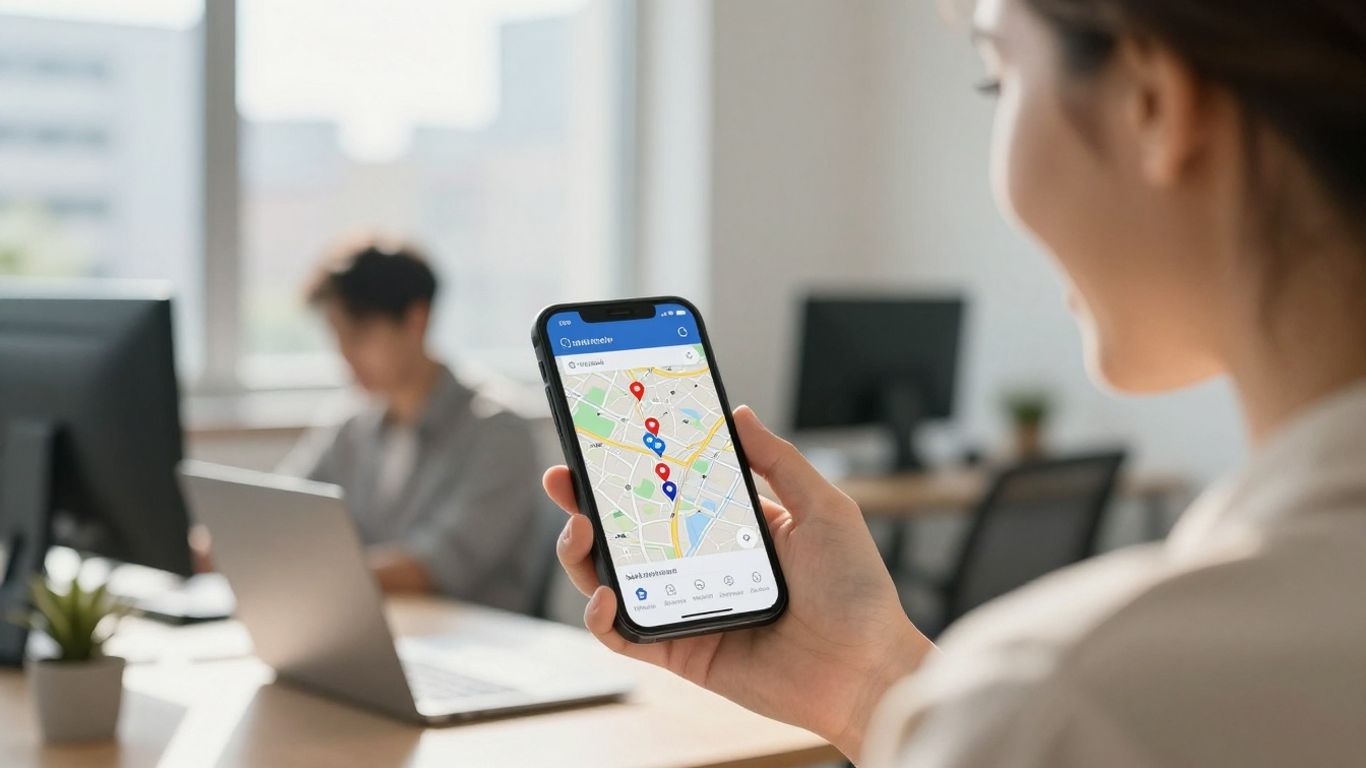
When we’re running a small business, we want people in our town, our neighborhood, to find us, right? That’s where local SEO comes in. It’s all about making sure that when someone nearby searches for what we offer, we pop up. Think about it: if you need a plumber now, you’re probably searching for "plumber near me" or "plumber [your town name]". Local SEO helps us show up for those exact searches.
Optimizing Your Google Business Profile
This is probably the single most important thing we can do for local SEO. It’s like our digital storefront on Google. We need to claim our listing, and then fill out everything. Make sure the name, address, and phone number (NAP) are spot on and consistent everywhere online. Add your business hours, services, photos – the more info, the better. It helps Google understand who we are and where we are.
- Claim and verify your Google Business Profile.
- Fill out every section completely and accurately.
- Upload high-quality photos of your business, products, or services.
- Regularly post updates, offers, or events to your profile.
Encouraging Customer Reviews For Trust
Reviews are huge for local businesses. They build trust with potential customers and give search engines a signal that we’re a legitimate, well-liked business. We should make it easy for happy customers to leave us reviews, especially on our Google Business Profile. A simple request after a good experience can go a long way. More positive reviews often mean better local search rankings.
Targeting Local Keywords In Your Content
We also need to sprinkle local terms into our website content. This means using our city name, neighborhood, or even nearby landmarks where it makes sense. If we’re a coffee shop in Springfield, we should mention "best coffee in Springfield" or "Springfield cafe" on our site. It tells Google, "Hey, this business is relevant to people searching in this specific area."
We need to think like our local customers. What words would they use to find a business like ours right here in town? Using those exact words on our website and in our Google Business Profile is key to getting found by the people who matter most to us.
On-Page And Technical SEO For A Stronger Foundation
Alright, let’s talk about making sure our website is built solid, both for the folks visiting and for the search engines trying to figure out what we’re all about. This is where on-page and technical SEO come into play. Think of it like building a house – you need a strong foundation and everything inside needs to be organized and easy to find.
Optimizing Title Tags And Meta Descriptions
These are like the first impression your website makes in search results. Your title tag is the main headline, and the meta description is that little blurb underneath. We want them to be clear, tell people exactly what they’ll find on the page, and include our main keywords. Making these catchy and informative can seriously boost your click-through rates. It’s not about stuffing keywords in there, though; it’s about making them sound natural and appealing to a real person.
Structuring Content With Header Tags
Header tags (H1, H2, H3, etc.) are like the chapter titles and subheadings in a book. They break up your content and make it easier to read and understand. The H1 is usually your main page title, and then you use H2s and H3s to organize the rest of the information. This helps both visitors and search engines scan your page quickly and grasp the main points. It also helps search engines understand the hierarchy of your content.
Ensuring Website Speed And Mobile-Friendliness
Nobody likes a slow website, right? And with so many people browsing on their phones, your site absolutely has to work well on mobile devices. We need to make sure our pages load fast. This means checking image sizes, cleaning up code, and using good hosting. If your site is slow or clunky on a phone, people will just leave, and search engines notice that. We can check our site’s speed and mobile usability using free tools like Google’s PageSpeed Insights and Mobile-Friendly Test.
We need to think about how easily a search engine bot can crawl and understand our website. If it’s a mess of code or super slow, they might not even bother indexing our pages properly, which defeats the whole purpose of SEO.
Building Authority Through Off-Page Optimization
Okay, so we’ve talked a lot about what goes on your website. But what about what happens off your website? That’s where off-page optimization comes in. Think of it like building bridges and making connections to your online space. The more good connections you have, the more search engines see your site as a trustworthy and important place.
The Importance Of Quality Backlinks
Backlinks are basically links from other websites pointing to yours. They’re a huge signal to Google and other search engines that people find your content useful. The more high-quality, relevant websites that link to you, the more authority your site gains. It’s like getting a recommendation from a trusted friend. If a bunch of reputable sites in your industry link to your business, search engines think, "Wow, this site must be pretty important and reliable."
It’s not just about the number of links, though. A single link from a really well-known and respected site in your niche is worth way more than ten links from random, low-quality sites. We want those "quality" links.
Strategies For Earning Natural Backlinks
So, how do we get these valuable links? It’s not about buying them or using shady tactics. We want to earn them naturally. Here are a few ways we can do that:
- Create amazing content: This is the biggest one. If you put out really helpful, interesting, or unique content – like in-depth guides, original research, or useful tools – other people will want to link to it. It becomes a go-to resource.
- Guest blogging: We can write articles for other websites in our industry. When we do this, we usually get a link back to our own site in our author bio or within the content itself. It’s a great way to get in front of a new audience and snag a quality backlink.
- Reach out to influencers and partners: If you have a good relationship with other businesses or people who have a following, they might be willing to link to your content if it’s relevant to their audience.
- Get listed in reputable directories: Especially for local businesses, being listed in relevant online directories can help. Make sure these are well-known and respected directories, not just random lists.
Building these connections takes time and effort. It’s about creating genuine value and relationships, not just chasing links. Think of it as building your reputation online, one good connection at a time.
Leveraging Social Media For Brand Awareness
Social media might not directly give you backlinks in the way we’ve been talking about, but it plays a big role in off-page SEO. When you share your content on social media, you increase its visibility. More people see it, which can lead to more people linking to it. It also helps build your brand awareness. When people recognize your brand, they’re more likely to seek you out and link to your site when they mention you.
Think of platforms like Facebook, Instagram, LinkedIn, or X (formerly Twitter) as your digital town square. You’re talking to people, sharing what you’re up to, and directing them back to your website. It’s a way to keep your audience engaged and spread the word about your business. We can also use social media to find opportunities for guest blogging or to connect with potential link partners. It’s all part of the bigger picture of getting your business noticed online. For a more detailed approach to building these connections, check out this guide on link building strategy.
Measuring Success And Adapting Your SEO Strategy
So, we’ve put in the work, right? We’ve tweaked our keywords, polished our content, and made sure our site is speedy and mobile-friendly. But how do we know if any of it is actually working? That’s where measuring our success comes in. It’s not just about setting it and forgetting it; we need to keep an eye on things and be ready to adjust.
Tracking Keyword Performance And Search Volume
This is where we see what’s really connecting with people. We need to know which keywords are bringing folks to our site and how many people are searching for them. It’s like checking the pulse of our SEO efforts. We can use tools to see where we rank for our target terms and if the search volume for those terms is going up or down. This helps us figure out if we’re hitting the mark or if we need to pivot.
Here’s a quick look at what we should be watching:
- Keyword Rankings: Where do we show up on Google for our main keywords?
- Search Volume: How many people are actually searching for these terms each month?
- Click-Through Rate (CTR): Of the people who see our listing, how many click on it?
Utilizing Analytics Tools For Insights
We’re not just guessing here. Tools like Google Analytics and Google Search Console are our best friends. They give us the nitty-gritty details about who’s visiting our site, where they’re coming from, and what they’re doing once they get there. We can see which pages are popular, how long people are sticking around, and even if they’re making a purchase or filling out a form. This data is gold for understanding what’s working and what’s not. It helps us make smart decisions about where to focus our energy next. If you’re looking for a platform that can help manage a lot of these marketing tasks, you might want to check out GoHighLevel.
We need to remember that SEO isn’t a one-and-done deal. It’s an ongoing process that requires regular attention and a willingness to adapt. The digital landscape changes constantly, and so do search engine algorithms. Staying informed and flexible is key to long-term success.
Staying Flexible With Evolving SEO Trends
Search engines are always updating their algorithms, and what worked last year might not work today. We have to be ready to roll with the punches. This means keeping up with the latest SEO news and trends. Are people searching more with their voice? Is video content becoming more important? We need to be aware of these shifts and be willing to tweak our strategy accordingly. It’s about being proactive, not just reactive. By consistently monitoring our results and staying open to change, we can keep our online visibility strong and keep attracting those customers.
Keeping track of how well your SEO is doing and changing your plan as needed is super important. It’s like checking the score in a game and deciding if you need to try a different move. Want to learn how to do this? Visit our website for easy guides!
Wrapping It Up
So, we’ve gone over a bunch of ways to get your small business noticed online. It might seem like a lot at first, but remember, you don’t have to do it all at once. Start with the basics, like figuring out what words people actually type into Google to find businesses like yours. Then, make sure your website is easy for search engines to understand and that your content is helpful. Keep at it, and don’t get discouraged if you don’t see huge changes overnight. SEO is more like tending a garden than flipping a switch – it takes time and consistent care to really grow. We’re all in this together, trying to make our businesses shine online.
Frequently Asked Questions
How long does it usually take to see our website show up higher in search results after we start doing SEO?
Think of SEO like planting a garden. It takes time for things to grow! We usually start seeing some changes in a few months, but it can take up to a year to see big jumps, especially if there’s a lot of competition out there. It really depends on our industry and what others are doing.
Can we really do SEO ourselves, or is it better to get some help?
You can totally learn to do SEO yourself, but it’s like learning a new language – it takes a lot of practice and can be a bit confusing at first. If we have the time and want to dive deep, we can learn! But if we want to save time and get expert help, hiring someone or using tools that build SEO into the website from the start can be a great shortcut.
Are there any handy tools that can make our SEO work easier?
Oh yes, absolutely! There are tons of tools that help us find the best words people are searching for, check how our website is doing, and see where we can improve. Some popular ones are Google Analytics, Google Search Console, and others like Ubersuggest or Moz. They’re like our SEO toolkit!
What’s the main goal of SEO for a small business like ours?
Our main goal with SEO is to help people find us when they’re looking for what we offer. It’s about making our website show up near the top of search results so more potential customers can see us, visit our site, and hopefully become our customers. We want to be easily discoverable online!
How important is it to have good content on our website for SEO?
Content is super important! Think of it as the main reason people visit our site. We need to create helpful, interesting stuff that answers questions our customers might have. When our content is great, search engines see our site as valuable, and people will want to come back.
What’s ‘Local SEO’ and why should we care about it?
Local SEO is all about making sure people in our neighborhood or nearby area can find us when they search for businesses like ours. It’s super important if we have a physical store or serve a specific town. It helps us show up on Google Maps and in local search results, bringing in customers right from our community.